
Grapefruit is a well-known sativa-dominant cannabis strain that originated in the Netherlands. This strain is a product of crossbreeding various landrace strains (Cinderella 99) and stabilized hybrids. It was developed by Nectar seeds, and its sativa dominance is evident in its growth pattern, with tall plants that produce vibrant green leaves and bright orange pistils.
This strain is quite popular due to its vibrant citrus aroma and flavor profile, which closely resembles the scent and taste of ripe grapefruits. Grapefruit has uplifting effects, making it a favorite among those seeking a burst of creativity, energy, and mental clarity. Its reputation for promoting positivity and sociability has made it a sought-after strain for both recreational and medicinal users alike. This combination of characteristics sets Grapefruit apart as a unique and cherished member of the cannabis family.
| Grapefruit Strain | Features/Details |
| Origin | The Netherlands |
| Also known as | N/A |
| Effects | Energy Boost, Euphoria, Creativity, Sociability |
| Leaf Shape | Narrow and thin, Sativa-like leaves |
| Medical Application | Fatigue, Pain relief, Stress reduction, Anxiety, Insomnia management |
| Flavor | Citrus, Sweet, Tropical |
| Aroma | Citrus, Tropical, Skunky |
| Appearance | Dense Buds, Bright Green |
| Flowering Period | Typically ranges between 7 to 9 weeks |
| Cannabinoid | THC levels of 15% to 20%; low CBD levels (usually below 1%) |
| Terpenes | Myrcene, Caryophyllene, Humulene, Limonene and Pinene |
Grapefruit effects and potency
Grapefruit is a moderately potent strain, typically featuring THC levels ranging from 15% to 20%. CBD levels in this strain are generally quite low, often below 1%. These characteristics make it a well-balanced strain for those looking to enjoy its Sativa-leaning effects without an overwhelming psychoactive experience. The onset of Grapefruit’s effects is relatively quick, typically within minutes of consumption, whether through smoking or vaporization.
Users often feel an immediate elevation in mood and a sense of mental clarity. This initial burst of energy and focus is accompanied by a gentle wave of relaxation that spreads throughout the body. As the effects continue to develop, users tend to experience a heightened sense of creativity and sociability.
This makes Grapefruit an excellent choice for social gatherings or creative endeavors. Many users also describe an increased appreciation for sensory experiences, such as music or art. One of Grapefruit’s standout characteristics is its ability to provide these uplifting and euphoric effects without inducing anxiety or paranoia, which can sometimes occur with high-THC strains. This makes it a versatile option for users who may be sensitive to the anxiety-inducing effects of cannabis.
Potential Positive Effects of Grapefruit
- Elevated Mood: Grapefruit has quick-acting mood enhancement. Users often report an immediate uplift in their mood, which can help combat stress and anxiety.
- Increased Energy: This strain provides a burst of energy and mental alertness, making it suitable for daytime use. It can help users feel more awake and focused, which can be particularly beneficial for creative tasks or productivity.
- Enhanced Creativity: Many users find that Grapefruit sparks creativity and enhances their ability to think outside the box. It’s a favorite among artists, writers, and musicians for this reason.
- Sociability: Grapefruit has a reputation for promoting sociability. Users often feel more talkative and engaged in social interactions, making it a great choice for gatherings or parties.
- Sensory Enhancement: This strain can intensify sensory experiences, such as music or visual art. Users may find that they have a heightened appreciation for these forms of entertainment.
- Appetite Stimulation: Some users may experience an increase in appetite, commonly referred to as the “munchies. This effect can be helpful for those with reduced appetite due to medical conditions.
Potential Side Effects of Grapefruit
Like many cannabis strains, Grapefruit can cause dry mouth. Staying hydrated and drinking water can help alleviate this discomfort. Some users may experience dry or irritated eyes. Using over-the-counter lubricating eye drops can provide relief. In some cases, Grapefruit’s potent cerebral effects may lead to heightened anxiety or paranoia, especially in people sensitive to THC. It’s advisable to start with a lower dose if you’re prone to anxiety.
Rarely, users may feel dizzy or lightheaded, particularly when consuming Grapefruit in large amounts or if they are new to cannabis. Grapefruit can lead to a temporary increase in heart rate (tachycardia) due to its stimulating properties. This effect is generally mild but may be concerning for individuals with certain heart conditions. Some users may experience headaches as a side effect, particularly if they consume Grapefruit in excessive quantities.
While Grapefruit is predominantly a Sativa-dominant strain, higher doses or individual sensitivity may result in a sense of physical relaxation or “couch lock. Similar to dry eyes, Grapefruit can cause bloodshot or red eyes in some users. Eye drops can help alleviate this symptom. High-THC strains like Grapefruit may temporarily impair short-term memory and concentration in some users.
Avoid tasks that require intense focus while under the influence. Remember that the severity of these side effects can vary from person to person and may depend on factors such as individual tolerance, dosage, and consumption method. Beginners and those prone to anxiety should exercise caution when trying Grapefruit and start with a small dose to gauge their response.
Medical Applications
Many patients suffering from chronic pain conditions, such as arthritis, migraines, or neuropathy, may find relief with Grapefruit. Its analgesic properties may help reduce pain and discomfort. Grapefruit’s uplifting and mood-enhancing effects can be beneficial for people dealing with stress, anxiety disorders, and generalized anxiety. It may induce relaxation and a sense of calm. The strain’s euphoric and mood-boosting qualities may help alleviate symptoms of depression.
It can provide a temporary respite from the feelings of sadness and hopelessness associated with this condition. Patients experiencing fatigue, whether due to chronic illnesses or other factors, may appreciate Grapefruit’s energy-boosting effects. It can help increase alertness and combat feelings of tiredness. Some users with attention deficit disorders, such as ADHD, experience improved focus and concentration when using Grapefruit. Its stimulating properties may enhance mental clarity.
For patients undergoing treatments that suppress appetite, such as chemotherapy, Grapefruit’s ability to increase hunger (often referred to as the “munchies”) can be helpful in restoring a healthy appetite. Grapefruit may help alleviate nausea and vomiting, making it potentially beneficial for patients undergoing medical procedures or experiencing stomach-related issues. In some cases, Grapefruit’s relaxing and calming effects can assist people with sleep disorders, such as insomnia. It may promote better sleep quality and duration.
Flavor
The dominant taste of Grapefruit is, unsurprisingly, reminiscent of ripe grapefruits. It features a sweet and tangy citrus flavor with a noticeable zing, similar to biting into a juicy grapefruit. This citrusy note is often accompanied by subtle undertones of tropical fruits, lending a unique complexity to the overall taste. What sets Grapefruit apart is its remarkable ability to capture the essence of a grapefruit’s flavor.
Users often describe the strain as having a refreshing and bright taste, similar to sipping on freshly squeezed grapefruit juice. This unique and vibrant flavor profile is what gives Grapefruit its name. Typically, the taste of Grapefruit closely aligns with its aroma, creating a harmonious sensory experience. The strain’s aroma is equally citrusy and fragrant, with dominant grapefruit notes that are complemented by subtle hints of tropical fruits.
Aroma
The most prominent scent in Grapefruit’s aroma is, unsurprisingly, grapefruit itself. It offers a strong and invigorating citrus aroma that closely resembles the zestiness of freshly cut grapefruit. This dominant note is accompanied by a noticeable sweetness, which balances the tangy citrus scent. Under the vibrant grapefruit scent, you may detect subtle undertones of tropical fruits.
These hints of tropical sweetness contribute complexity to the overall aroma, and while Grapefruit stands out with its distinct aroma, it shares some commonalities with other citrus-forward strains like Tangie or Lemon Haze. However, Grapefruit’s aroma is often regarded as more intense and true to the grapefruit fruit than these other strains, making it a standout choice for those seeking a robust citrus experience.
Appearance
The buds of Grapefruit typically feature a vibrant and eye-catching green color, reminiscent of the hues found in ripe grapefruits. This green may have variations, ranging from a pale, lime-like green to a deeper, forest green, depending on factors like the specific phenotype and growing conditions. Grapefruit buds are often covered in a dense layer of resinous trichomes, which gives them a frosty, crystalline appearance.
These trichomes appear as glistening, tiny white or amber crystals that blanket the surface of the buds. When touched, the buds may feel slightly sticky due to the resinous trichomes. They tend to be tightly packed and firm to the touch. This density contributes to the overall weightiness of the buds, making them feel substantial when held.
In terms of appearance, Grapefruit shares some similarities with other cannabis strains that display dense, resinous buds, such as Blue Dream or Pineapple Express. However, what sets Grapefruit apart visually is its distinct green color, which closely resembles the vibrant shade of ripe grapefruits. This unique coloration makes it instantly recognizable among other strains.
Buy Grapefruit seeds online.
If you’re interested in purchasing Grapefruit seeds online, there are several reputable seed banks and websites where you can find them. Seedsman is a popular online seed retailer known for its extensive selection. While availability may vary, you can check their website for Grapefruit seeds.
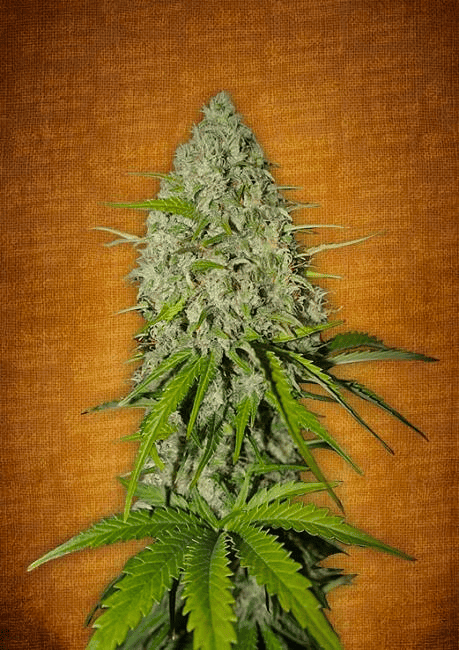
Prices vary depending on the breeder and seed type, but you might find options ranging from $30 to $100 or more. Seed availability and prices can change, so it’s a good idea to visit these websites and explore your options. Additionally, consider the laws and regulations regarding cannabis cultivation in your region before purchasing seeds, as they may vary.
Growing Information
Grapefruit has a relatively short flowering time, typically ranging from 7 to 9 weeks when cultivated indoors. If grown outdoors, Grapefruit is usually ready for harvest in late September or early October. Grapefruit can thrive both indoors and outdoors, giving growers flexibility. Indoors, you can use techniques like hydroponics or soil, with a focus on maintaining proper lighting and humidity levels.
Outdoors, Grapefruit performs well in a Mediterranean climate with lots of sunlight. Ensure your outdoor location has well-draining soil and receives ample sunlight. Grapefruit prefers a warm and temperate climate with temperatures between 70 and 85°F (21 and 29°C) during the day. If growing outdoors, be mindful of temperature drops during the flowering stage, as Grapefruit is sensitive to cold temperatures.
Maintain a relative humidity level of around 40–50% during the vegetative phase. Reduce humidity to 30–40% during the flowering stage to prevent mold and mildew. Adequate ventilation is crucial to prevent stagnant air and promote healthy plant growth. Grapefruit plants tend to be of moderate height, making them suitable for indoor cultivation with limited vertical space.
Like many cannabis strains, Grapefruit can be susceptible to pests and diseases, so regular monitoring and preventative measures are essential. Pruning and training techniques like topping or LST (low-stress training) can help manage the plant’s height and increase yields.
Tips for Successful Growth
- Lighting: Indoors, use high-quality grow lights such as LED or HPS to ensure your plants receive adequate light for robust growth.
- Nutrients: Provide a balanced nutrient regimen, especially during the flowering phase when the demand for phosphorus and potassium increases.
- Training: Consider gentle training methods to encourage lateral growth and maximize light penetration to lower branches.
- Harvest Timing: Harvest Grapefruit at the peak of its flowering stage when trichomes turn cloudy for the best flavor and potency.
- Drying and Curing: After harvest, ensure a proper drying and curing process to enhance the strain’s aroma and taste.
- pH and Watering: Monitor the pH of your water and soil to maintain an optimal pH level for nutrient absorption. Avoid overwatering, as Grapefruit plants prefer slightly drier conditions.
- Security and Compliance: Be aware of the legal regulations in your area regarding cannabis cultivation and ensure compliance with local laws.
Cannabinoid and terpene profiles
Grapefruit typically contains a moderate-to-high THC level, often ranging from 15% to 25%. This cannabinoid is responsible for the strain’s psychoactive effects, inducing euphoria and relaxation. While Grapefruit is not particularly high in CBD, some phenotypes may have trace amounts. CBD offers potential therapeutic benefits, including pain relief and anxiety reduction. The terpenes in this strain are myrcene, limonene, caryophyllene, pinene, and humulene.
As the name suggests, limonene imparts a citrusy aroma to Grapefruit. This terpene has mood-lifting and stress-reducing properties, aligning with the strain’s uplifting effects. Humulene can contribute to Grapefruit’s woody and earthy undertones. This terpene may have anti-inflammatory properties and could synergize with the strain’s potential therapeutic effects.
Frequently Asked Questions
Question: Is Grapefruit a sativa or Indica-dominant strain?
Answer: Grapefruit is typically considered a sativa-dominant hybrid strain.
Question: What is the average THC content in Grapefruit?
Answer: Grapefruit usually contains a THC level ranging from 15% to 25%, making it moderately to highly potent.
Question: What are the primary effects of Grapefruit?
Answer: Grapefruit has uplifting and energizing effects, often promoting a sense of euphoria and creativity.
Conclusion
Grapefruit is a sativa-dominant hybrid strain known for its uplifting and energizing effects. With an average THC content of 15% to 25%, it offers a balanced experience of relaxation and creativity. Its potential medical benefits include stress relief and mood enhancement, although individual responses may vary. The strain is a versatile strain suitable for users seeking a daytime boost in mood and creativity. It may be particularly enjoyable for artists, writers, and those looking for a social and energizing experience. However, those new to cannabis should start with a lower dose to gauge their tolerance.
